Saltwater vs Chlorine Pools: Costs, Pros and Cons
Saltwater or traditional chlorine? How salt chlorine generators work, upfront and running costs, maintenance, feel of the water, and which suits your pool.

What to look for in a robotic pool cleaner: wall and waterline cleaning, filtration, navigation, cable or cordless, maintenance and warranty.
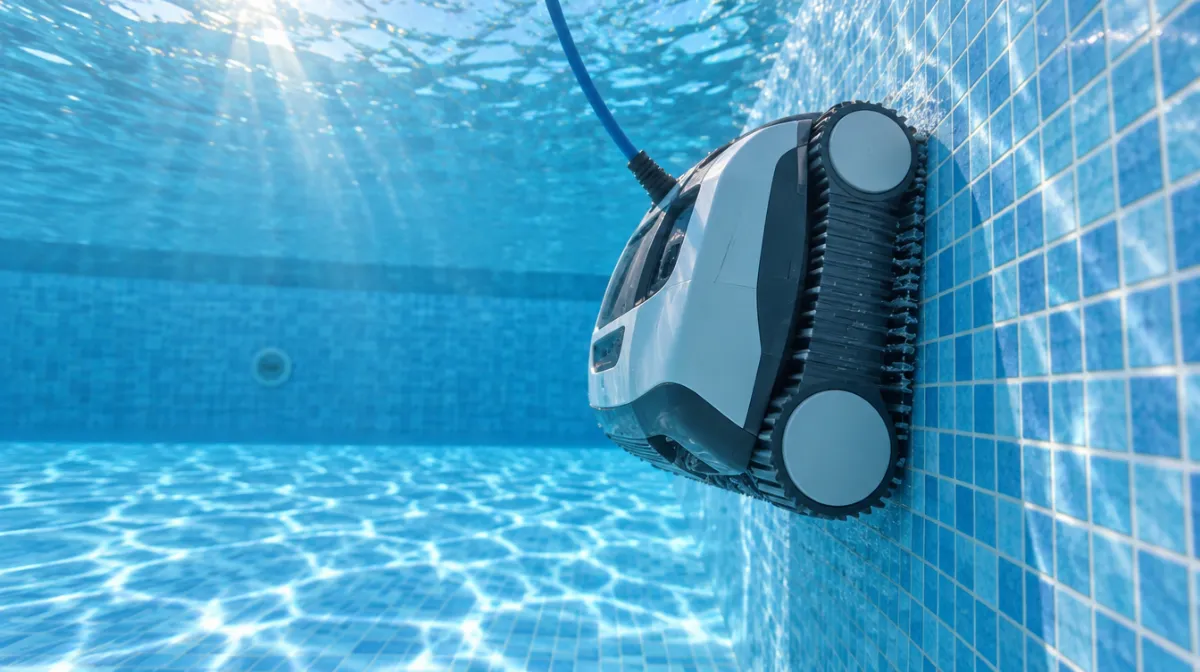
A good robotic cleaner vacuums the floor, scrubs the walls and filters debris into its own basket, taking load off your main filter and saving you hours of brushing. Because it has its own motor, it also lets a variable-speed pump stay at low speed. With so many models on the market, here is what actually matters.
| Type | How it works | Pros | Cons |
|---|---|---|---|
| Robotic | Self-contained motor, pump and filter | Best cleaning, doesn’t load your main filter | Higher price |
| Suction-side | Connects to the skimmer; uses your pump | Cheaper | Loads the main filter; weaker on walls |
| Pressure-side | Uses water pressure from a return line or booster pump | Good on larger debris | May need a booster pump |
Check the cleaner suits your pool’s surface (vinyl, fiberglass, plaster), size and shape, including steps, slopes and ledges.
Floor-only cleaners are cheaper. If algae and grime build up on walls or at the waterline, choose a model that climbs walls and scrubs the waterline.
Look for fine filter options for dust and pollen, and large baskets for leaves. Top-loading baskets are much easier to empty.
Smarter navigation covers the pool more efficiently and gets stuck less often. Look for reviews that mention corners, steps and main drains.
Check how easy it is to clean the filters and how easy it is to buy replacement brushes, tracks and filters.
A solid warranty and accessible service centres matter; robotic cleaners are complex machines.
For most owners who clean regularly, yes: they save time and reduce the load on your main filter.
No. It can help vacuum dead algae, but you need chlorine to kill it; see our green pool guide.
It depends on the model, use and care. Rinsing it after use and storing it out of the sun extends its life.

Every article is edited by a human and checked against our editorial policy. Spotted a mistake? Tell us.
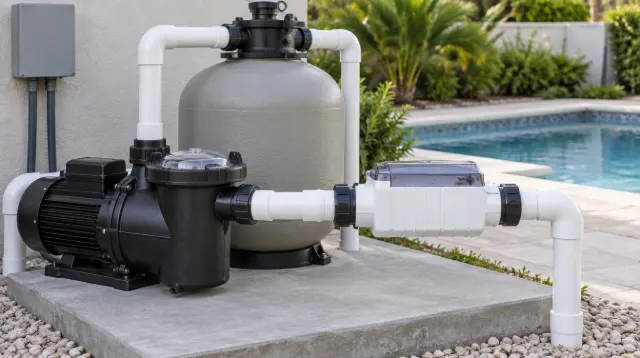
Saltwater or traditional chlorine? How salt chlorine generators work, upfront and running costs, maintenance, feel of the water, and which suits your pool.
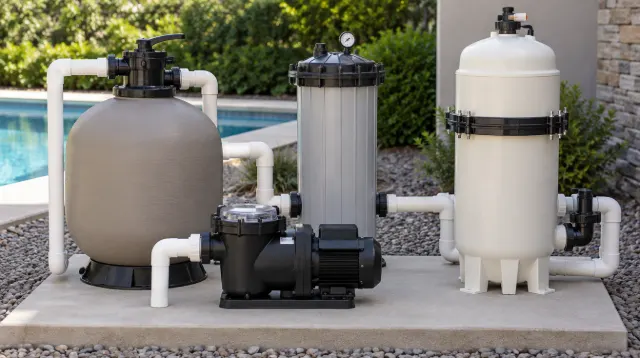
Sand, cartridge and DE pool filters compared: how fine they filter, cleaning, water use, cost and lifespan, plus how to tell when your filter needs attention.
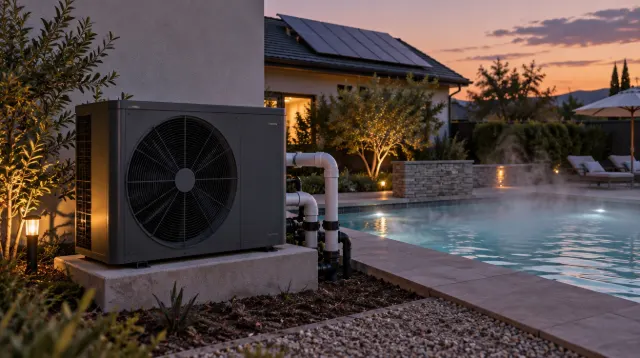
Heat pump, gas or solar pool heater? How each works, running costs, heating speed, climate fit and sizing, plus why a pool cover is the cheapest upgrade of all.